The Lyrebird Project.
I read To Heal A Lyrebird in a storm of creative energy. I’ve loved Kate Liston-Mills’ writing for a long time and hoped that this book would hold the stories I craved for my next project. Head in hands, I sat at the computer (the book was yet to be published) and read. It felt like a song and a play and a battle cry and deep despair and great love all at once. I read it again. I went to Kate’s home in Pambula and we sat amongst her washing, eating cheese and drinking tea, while I pitched an unknown non-sensical inkling of a plan to her. Something wonderful was brewing (and still is) and we knew it. Kate was working with artist Bettina Kaiser on typesetting and illustrations for the book, and together they’d already started creating towards The Lyrebird Project. They had a zine and lots of big ideas for the book launch. I had energy to burn, a drive to lead the project and a community of creatives that I knew would be up for playing!
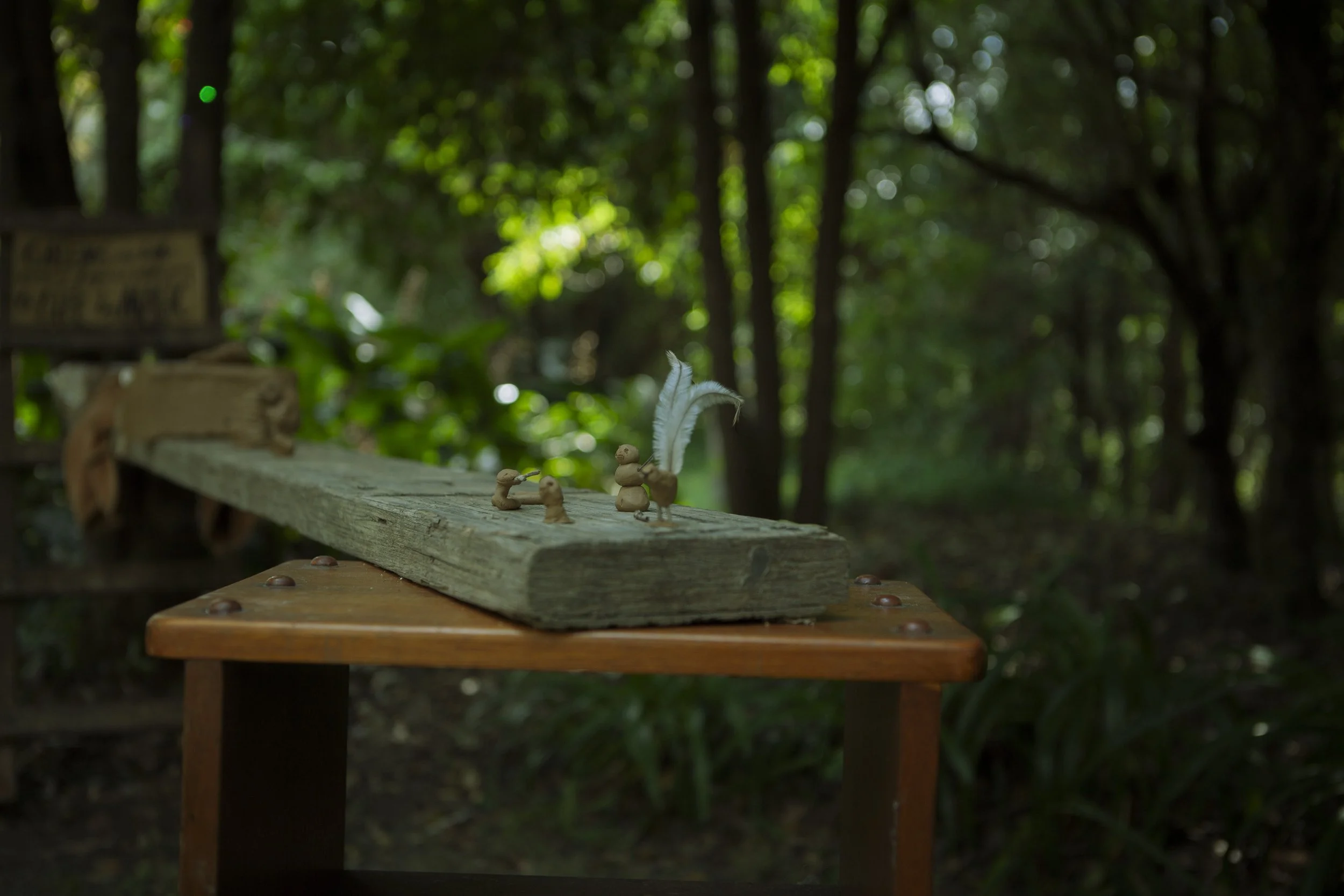
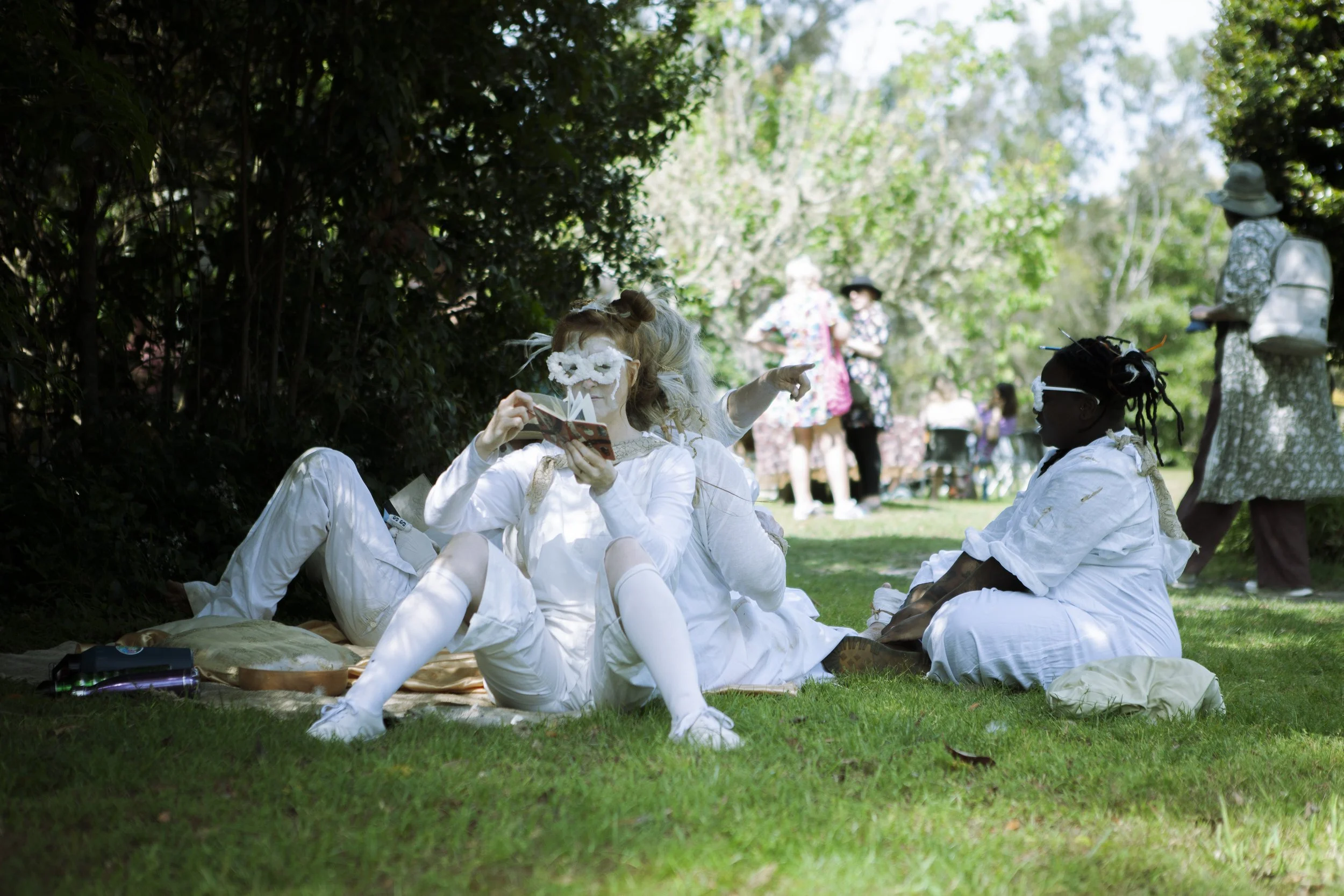
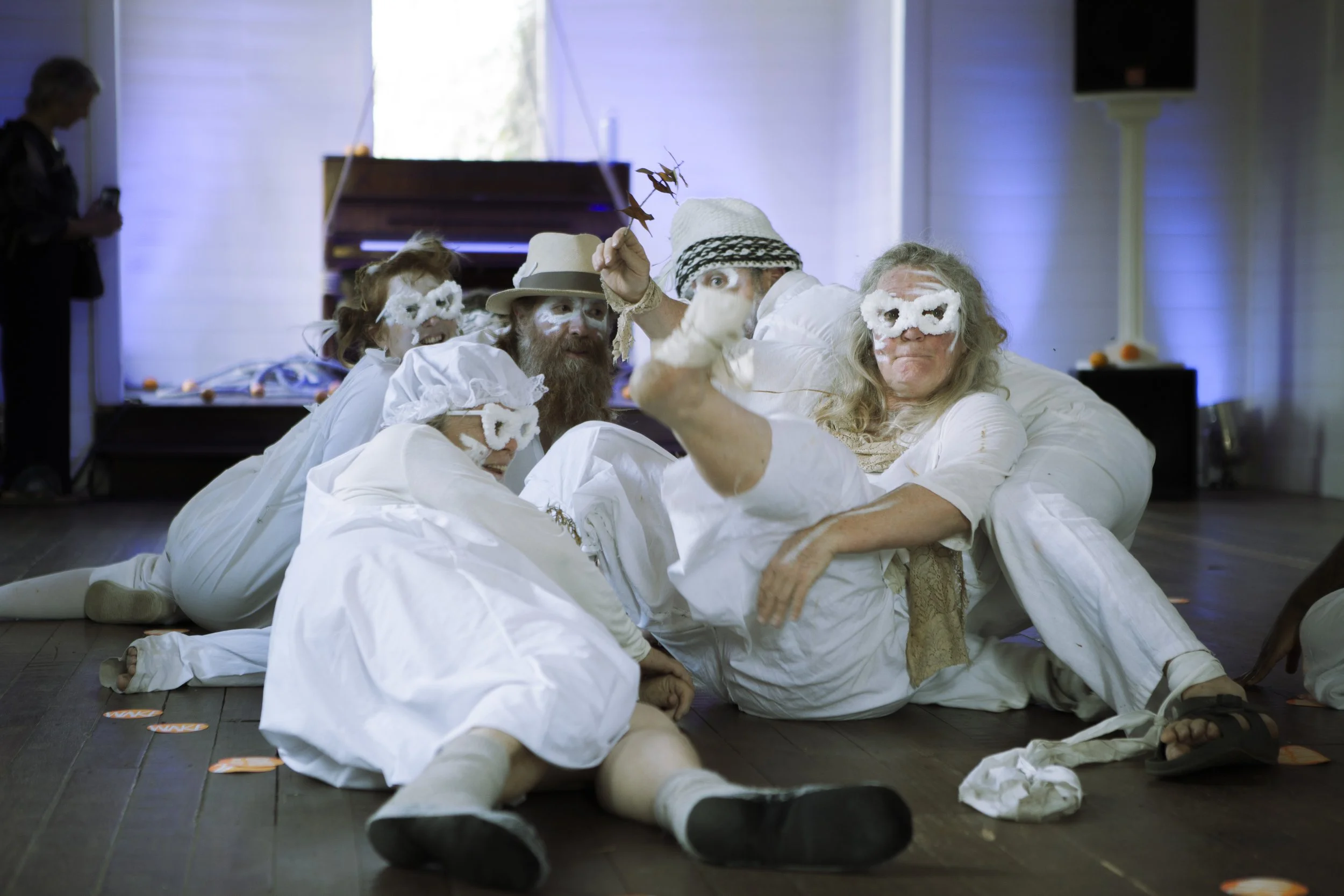
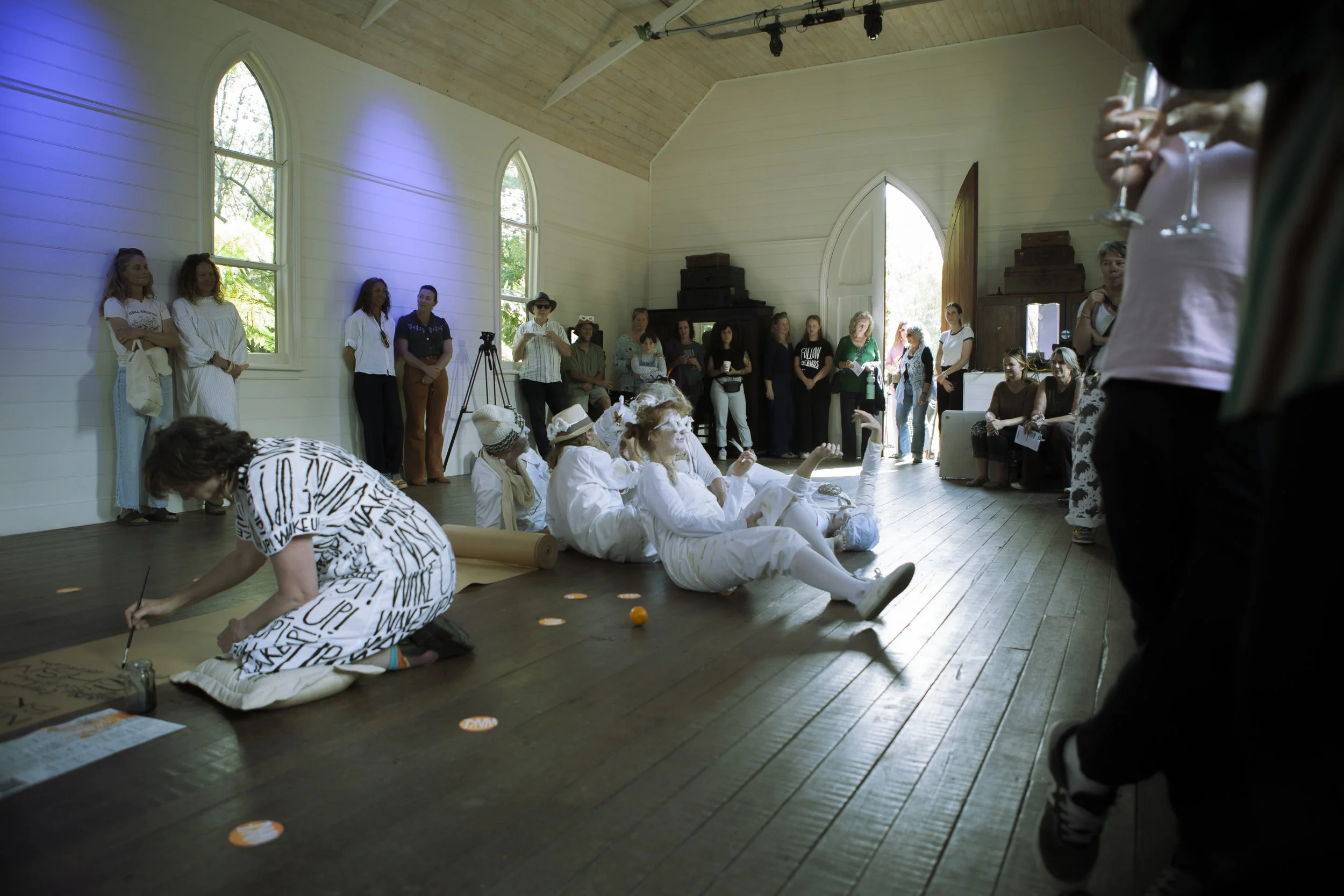
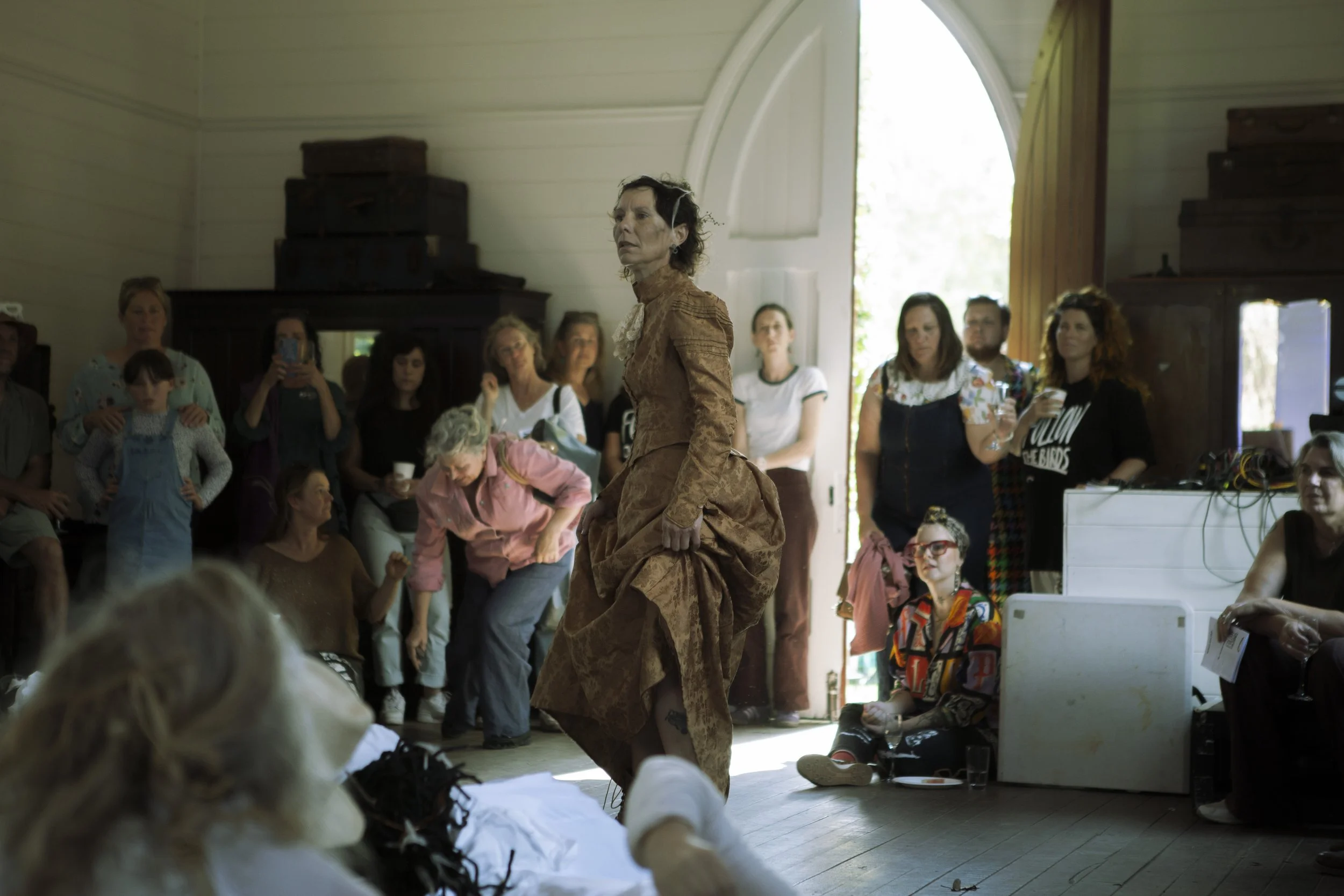
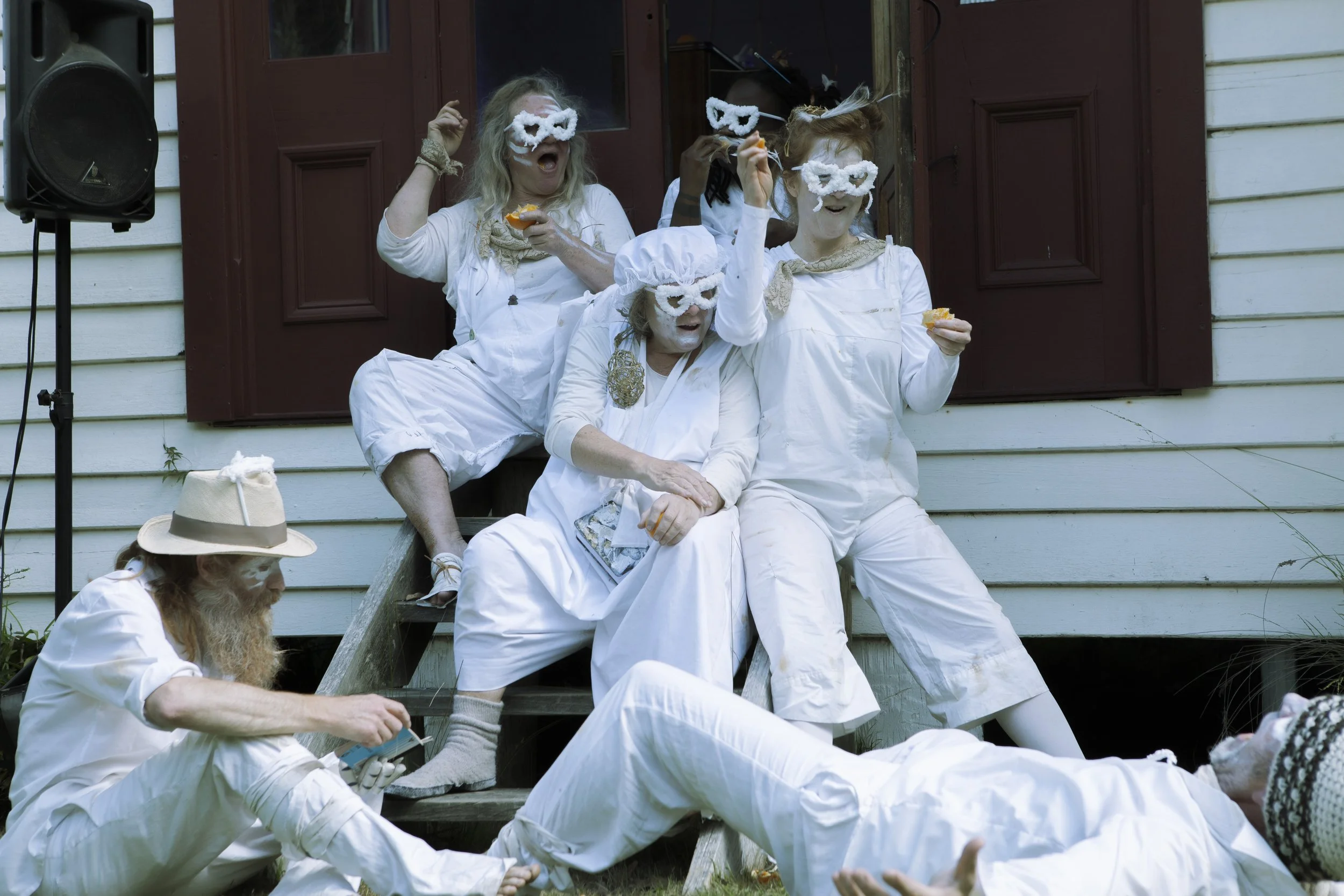
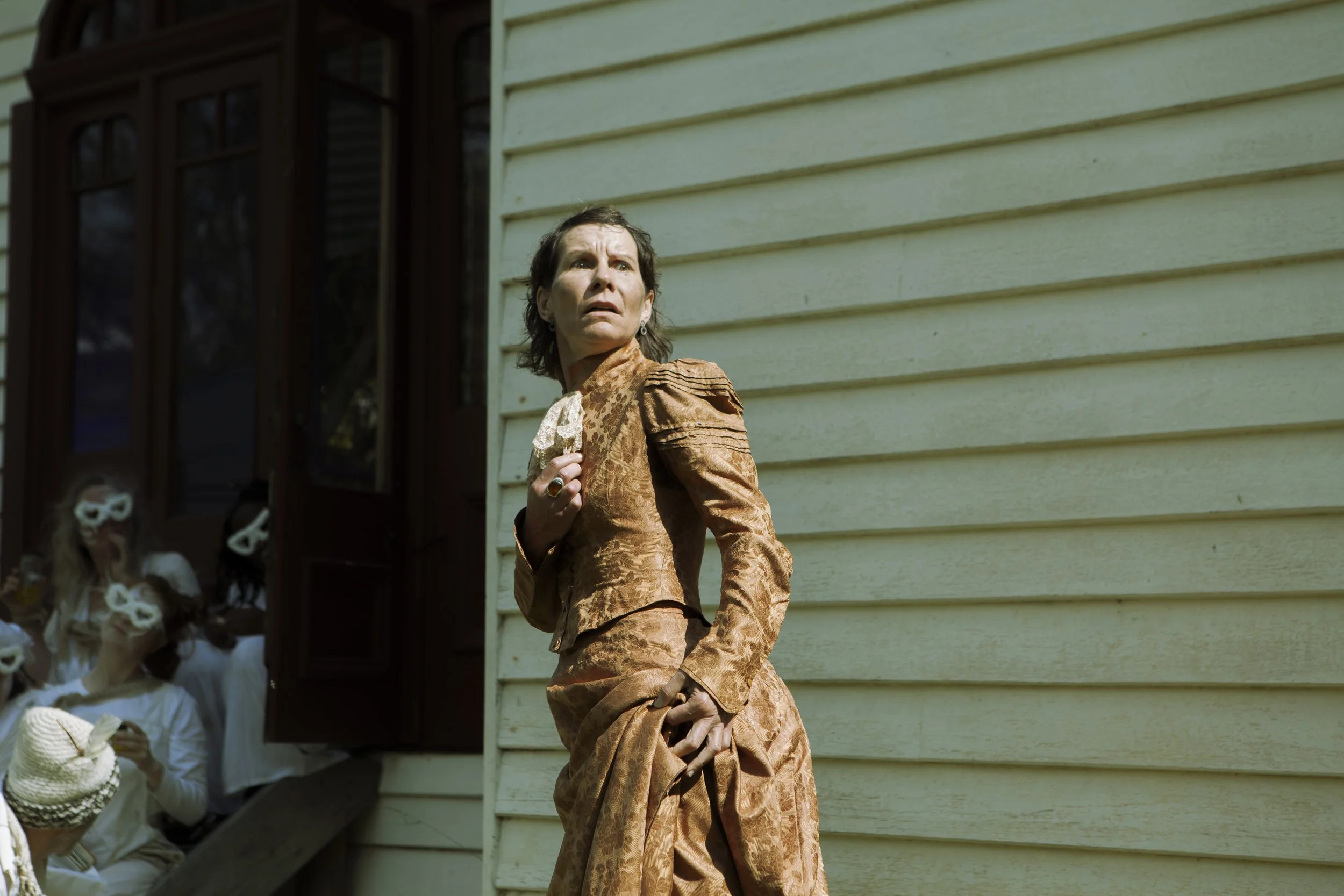
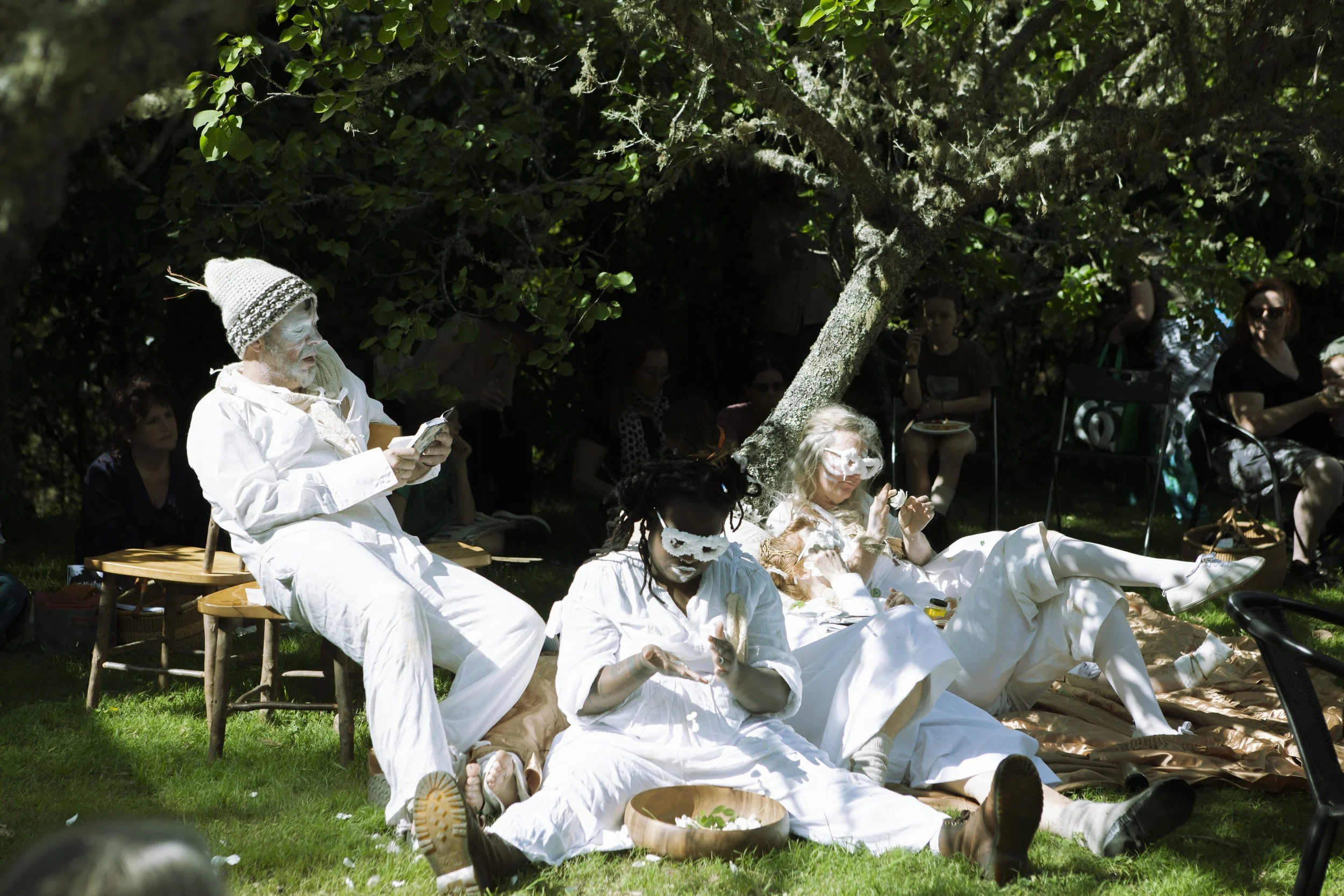
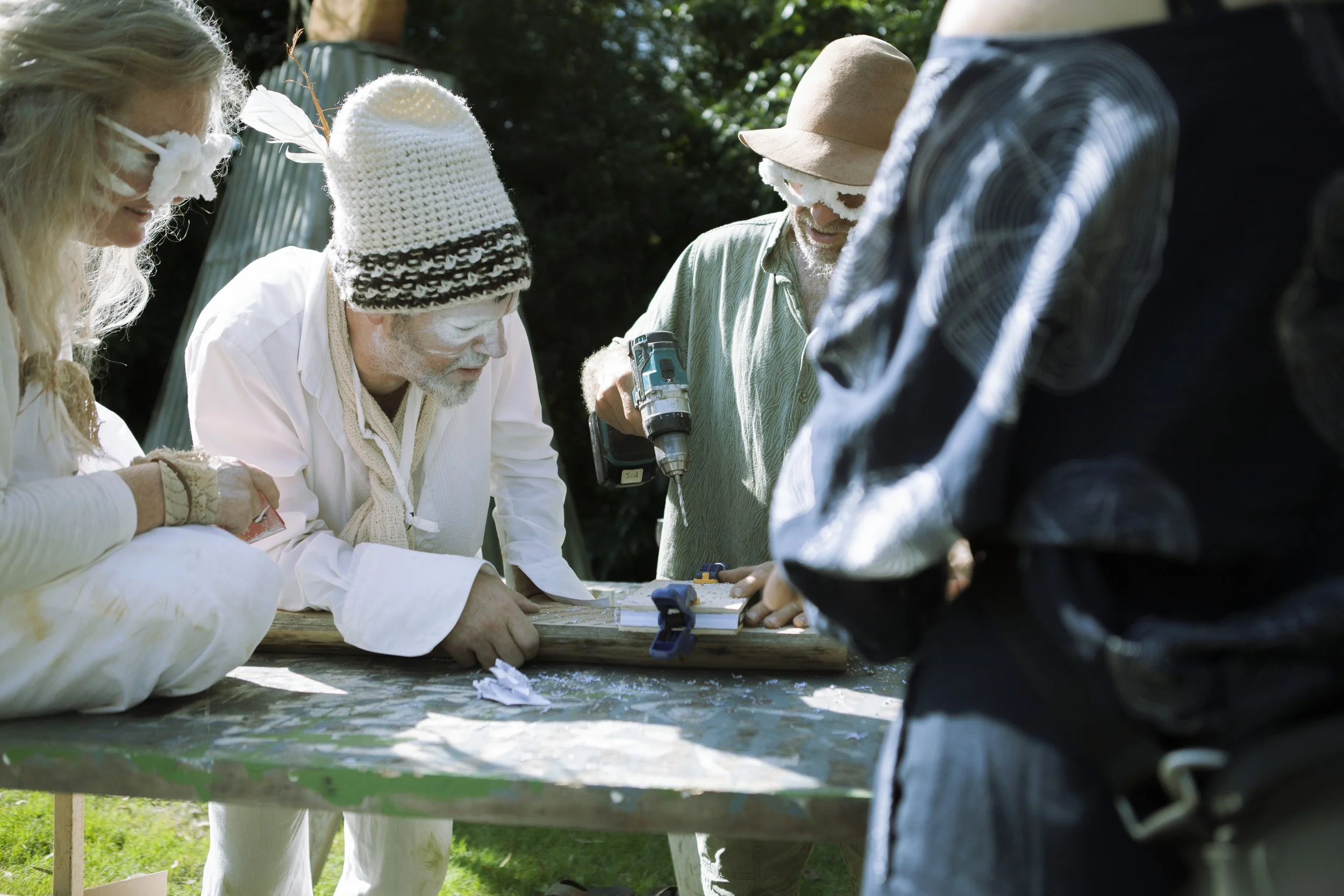
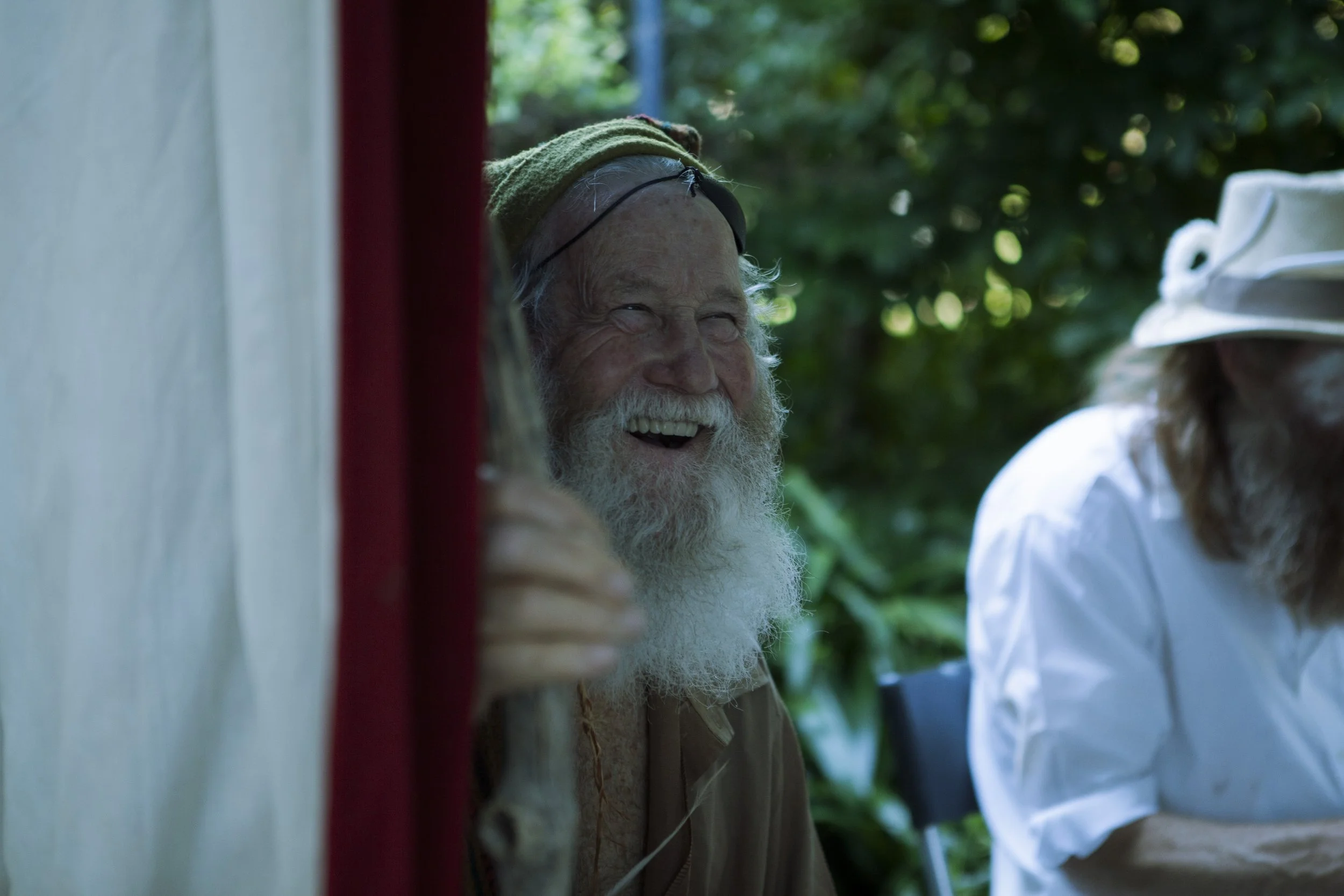
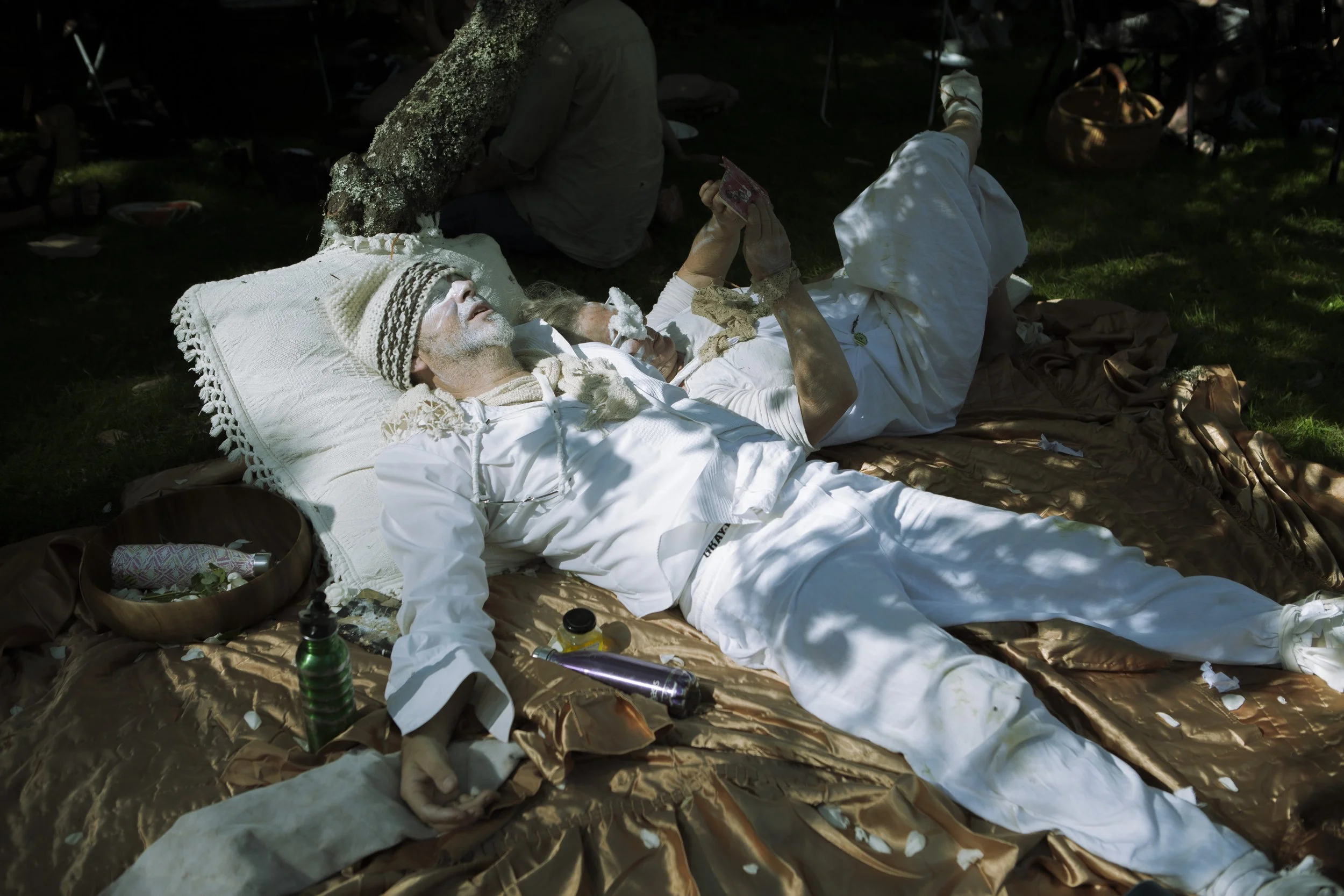
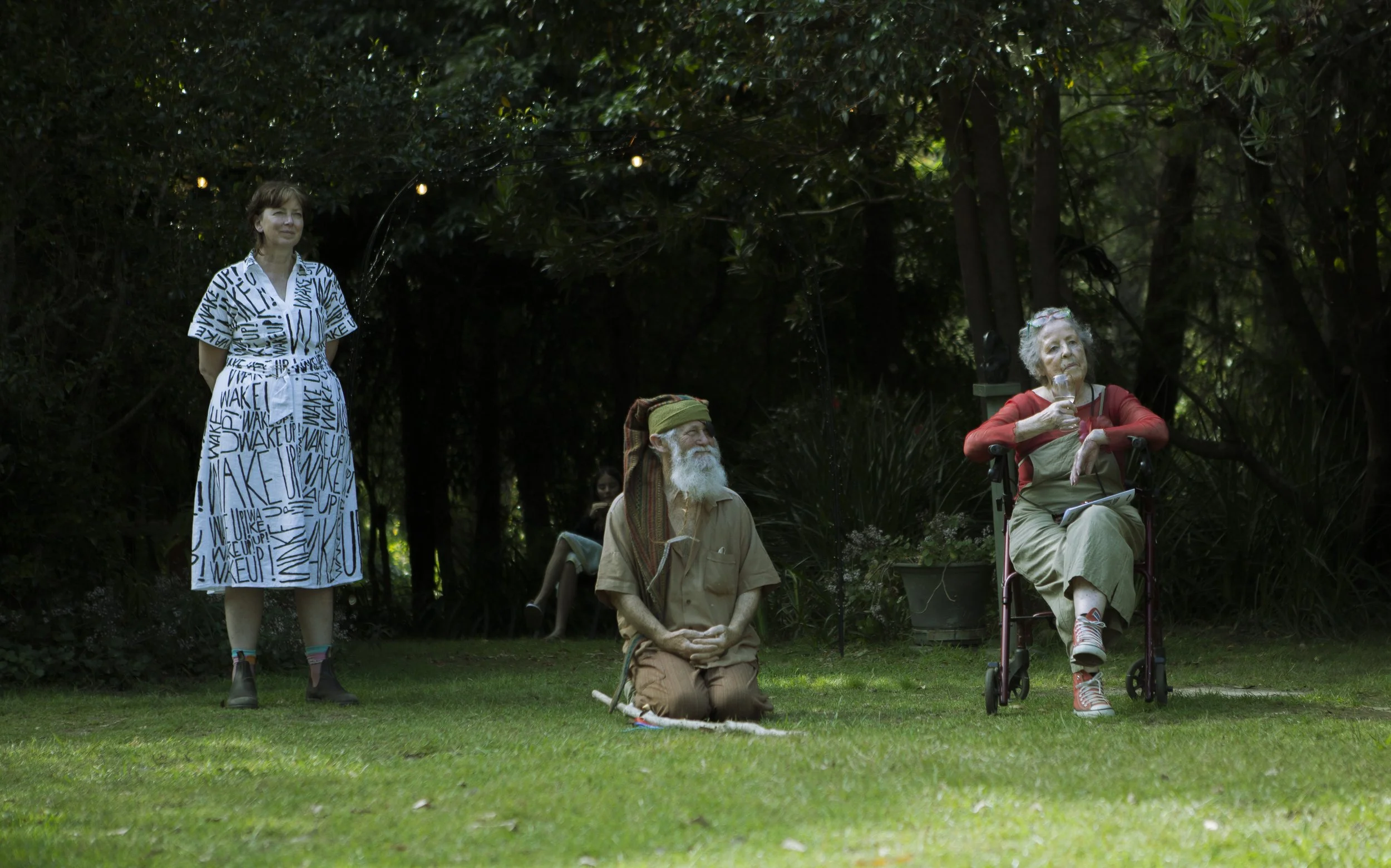
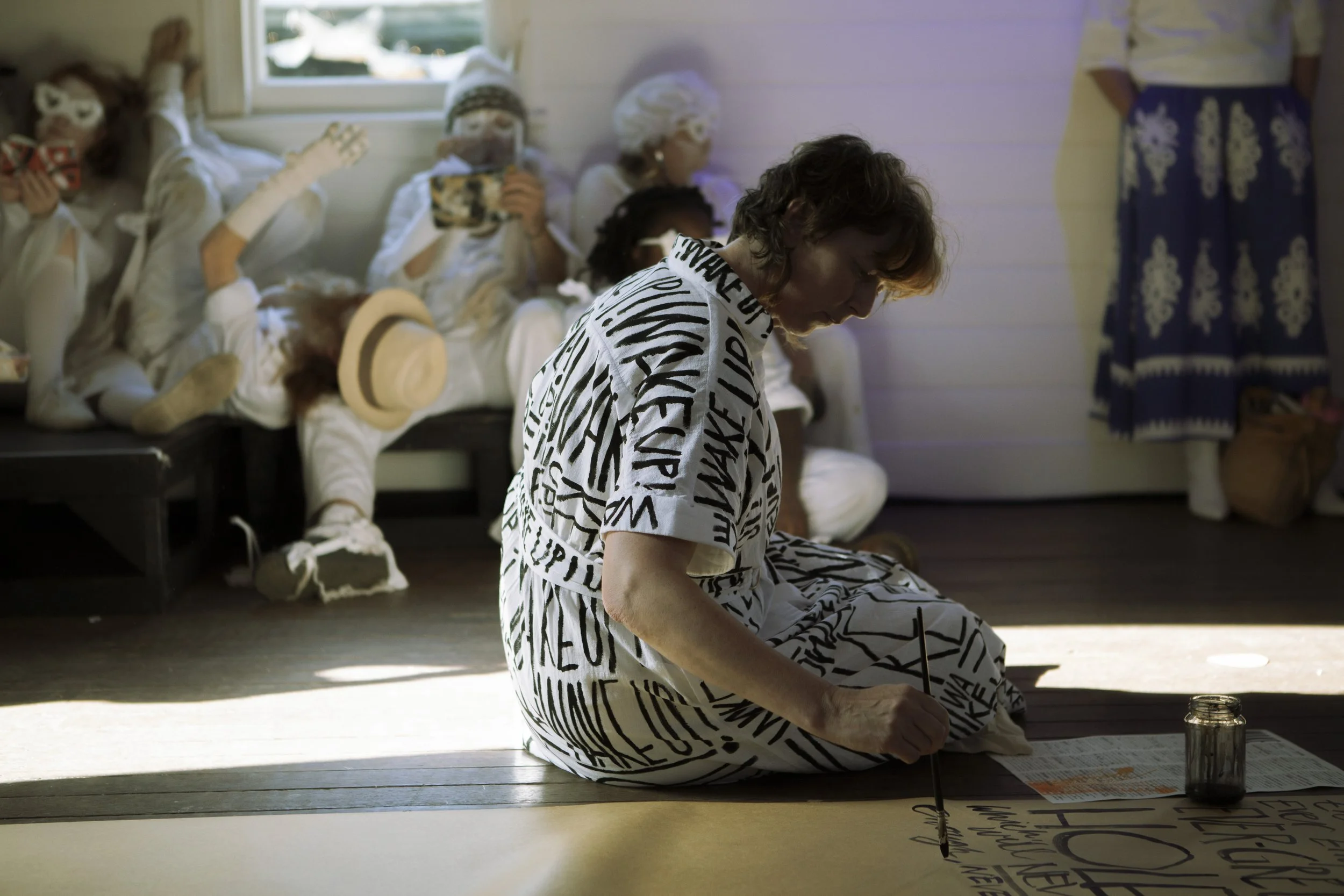
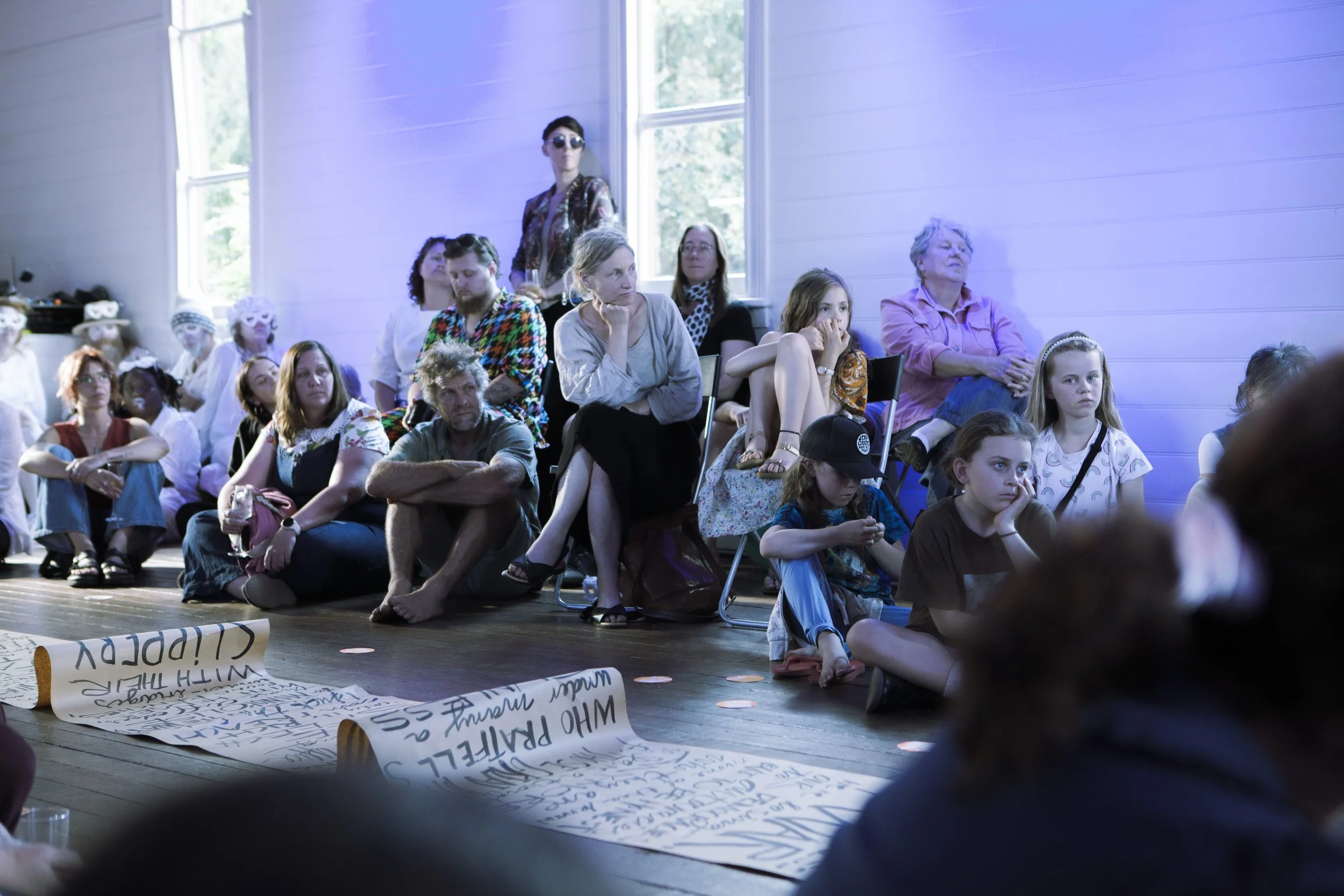
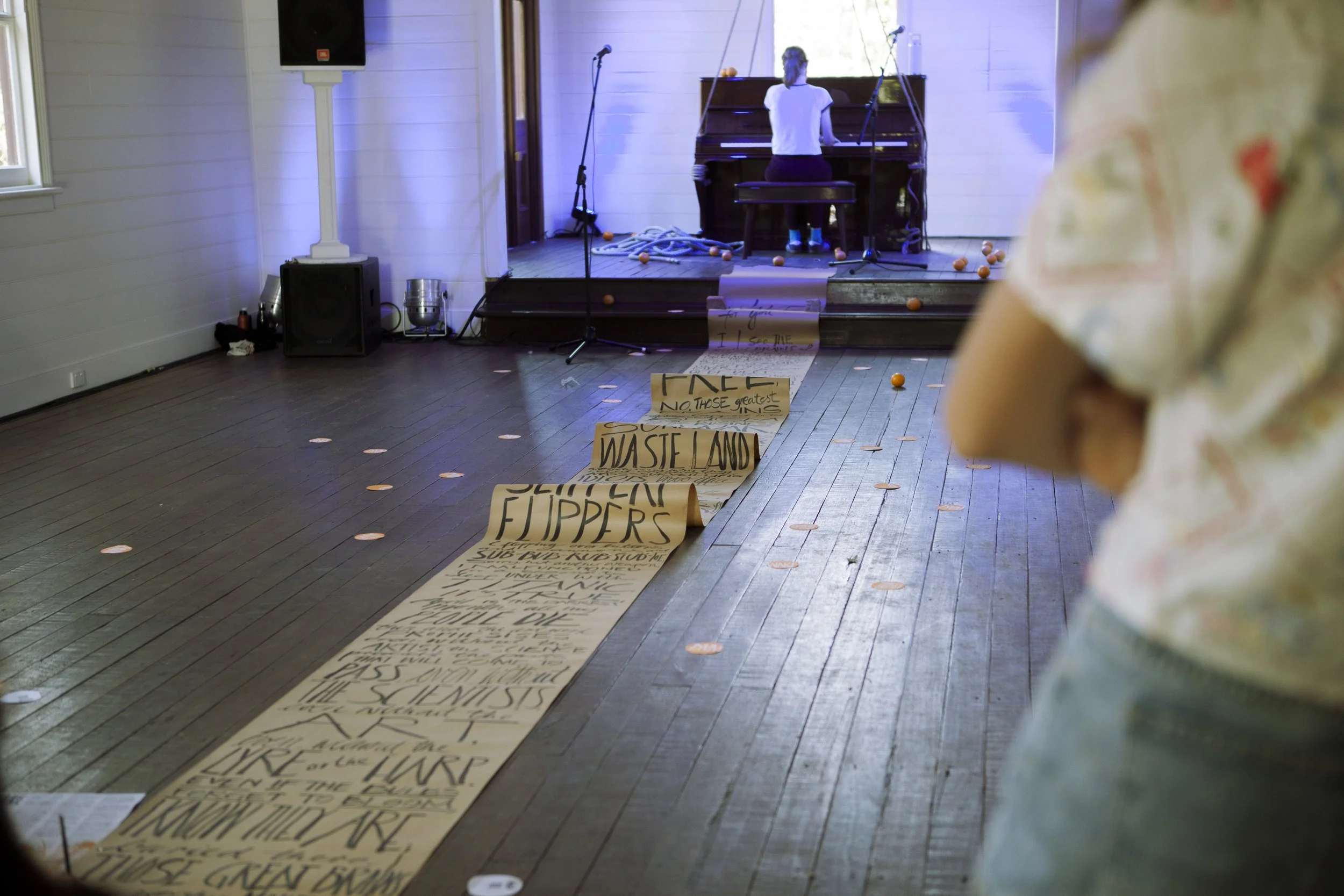
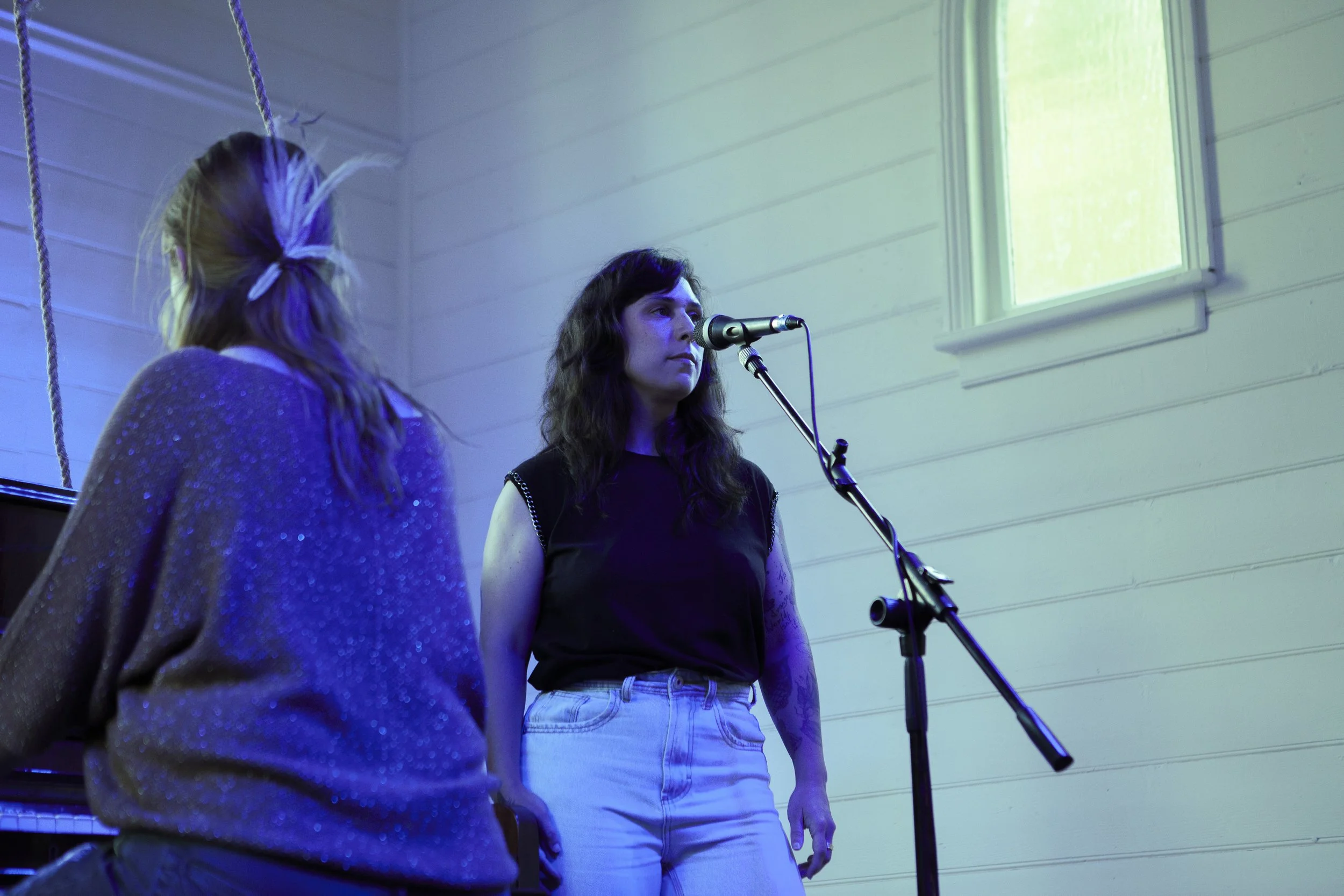
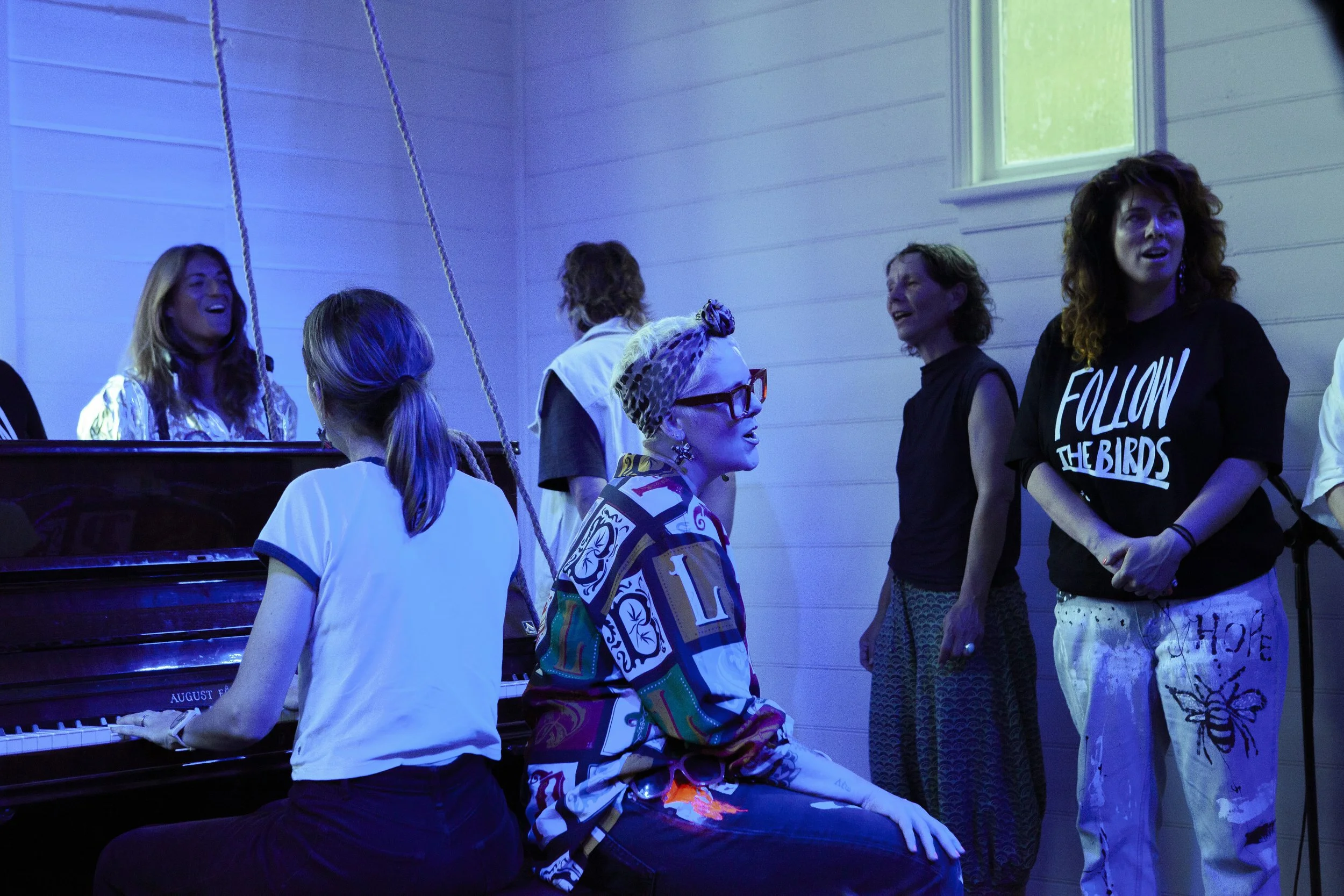
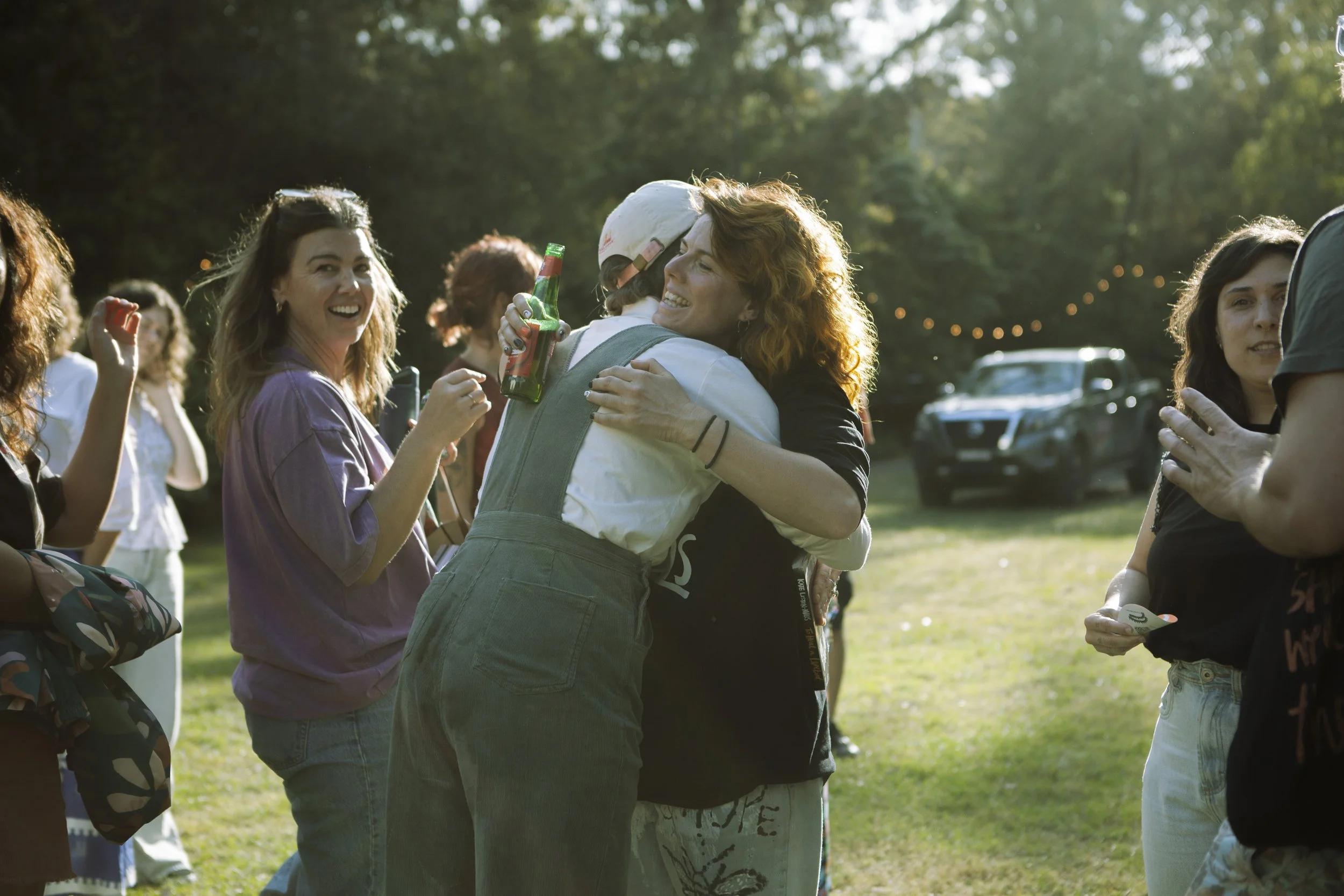
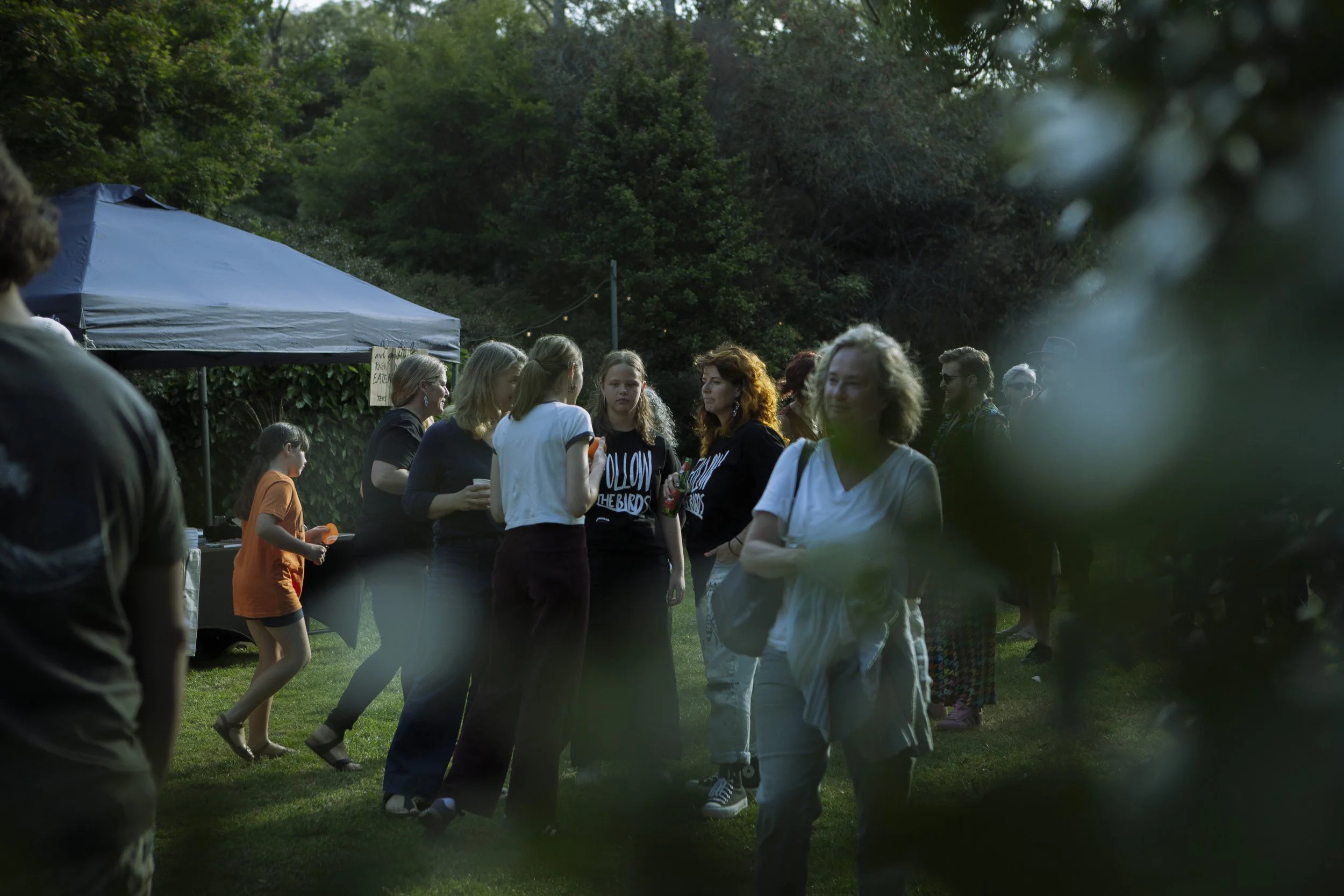
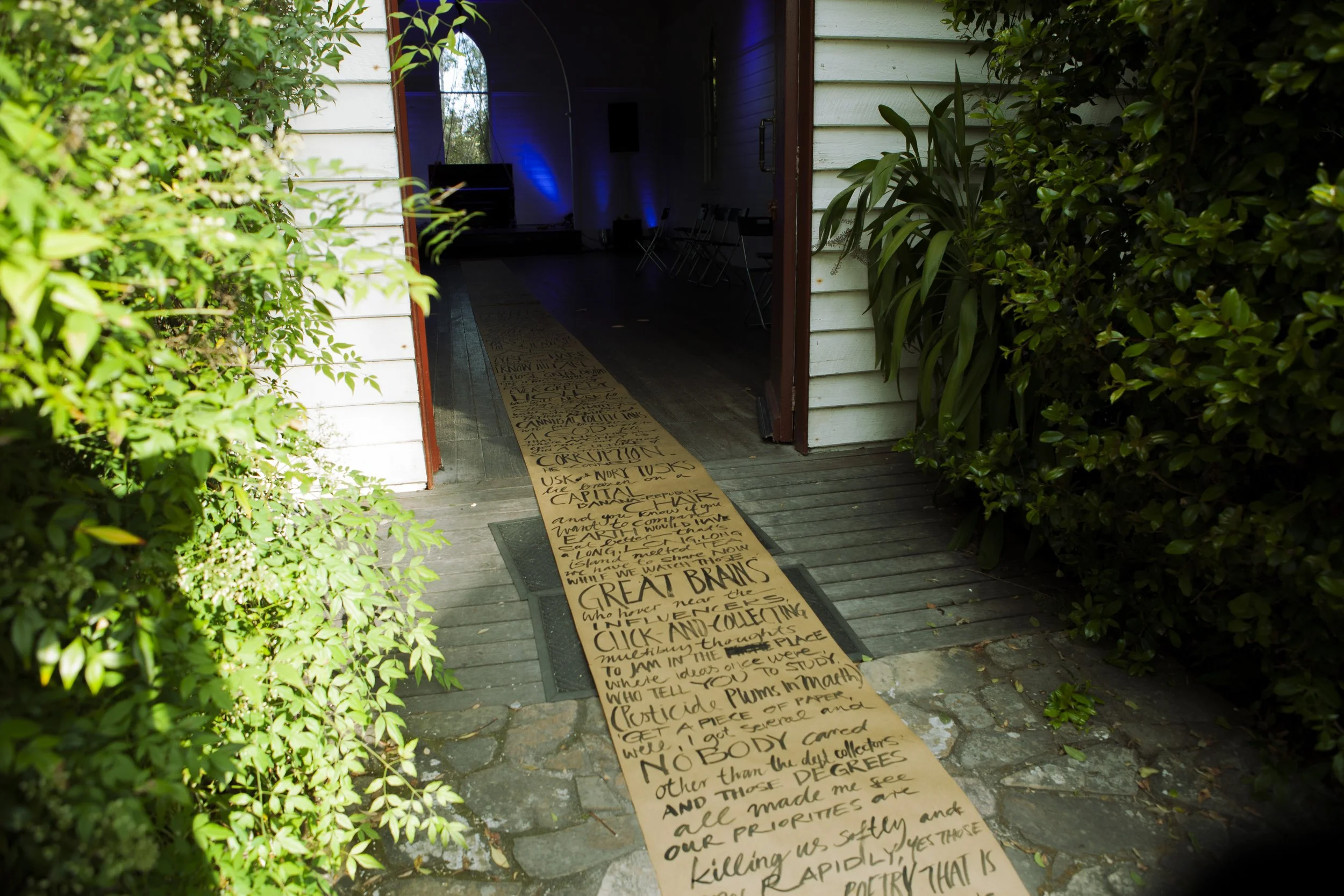
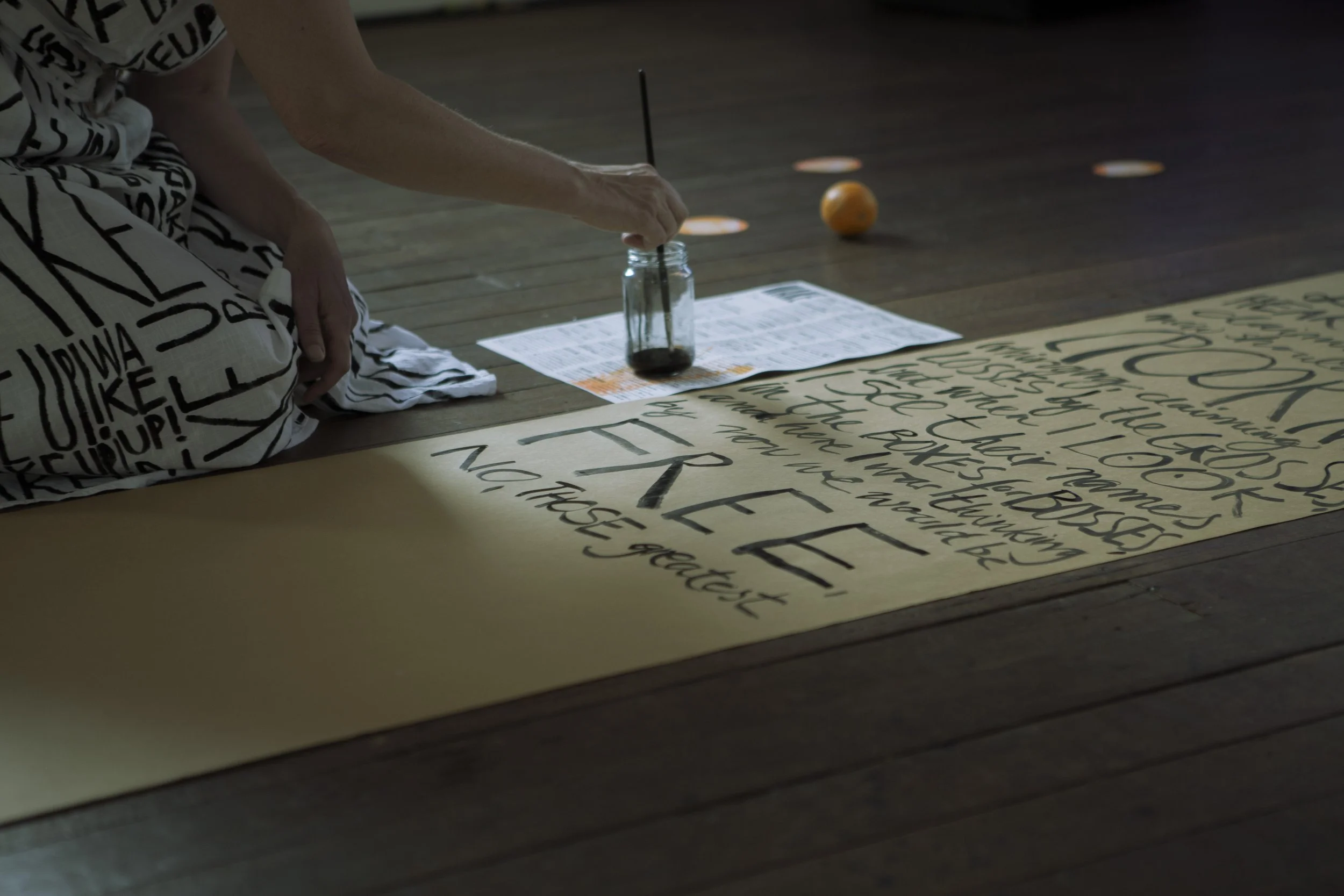
Together we brought To Heal A Lyrebird to life. Actors brought the characters into being, we wrote and arranged music, created soundscape and spoken word, and we gathered a choir. On book launch day there were readings, speeches, art performance, clothing, clay, a drilling station, amazing food and even better company.
The Lyrebird Project is still in the making and the next collaborator … is YOU! Please email kate@katelistonmills.com if you want to contribute to this project. @lyrebirdproject would love to share your work, inspired by the book To Heal a Lyrebird by Kate Liston-Mills 2025.
The Lyrebird Project is a multidisciplinary collaboration centred around the book To Heal a Lyrebird by Kate Liston-Mills. The project aims to encourage creativity in all forms, to not wait for permission and to embrace the beauty of collaboration. It asks participants to be ‘in the making, not the made’, to reject perfectionism and to search for the human. All who read To Heal A Lyrebird are invited to respond with art.
‘I’m in the making, not the made. Stick me there’.
Film and videography by Alfie Tate, soundscape composed by Malachi Mills-Hindle, piano by Eva Mills.